
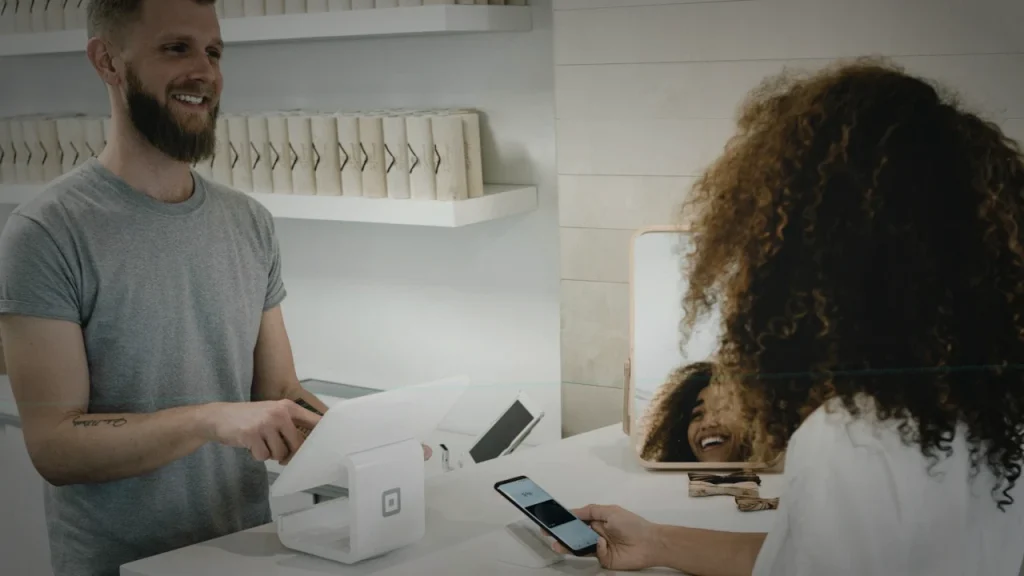
If your till and your loan book disagree by even a few thousand pesos when the market lights go off, you do not have a rounding issue. You have overnight bleed. End-of-day float reconciliation for one-desk Philippine lenders is the boring ritual that keeps a Quezon City stall, a Cebu side-hustle desk, or a Caloocan market float honest after the last borrower pays.
This guide is built for single-cashier shops and tiny branches that still run cash-heavy books. You will get a cash-versus-LMS close, variance codes that officers actually use, and a checklist you can finish before the jeepney home. Soft note: tools like PesoLend keep loans, repayments, and an ops dashboard in one place so cash discipline is visible — not a separate invented cashbox product, just branch habit backed by the loan ledger.
Why EOD float reconciliation matters more than month-end
Month-end close finds the crime scene. End-of-day float reconciliation catches the leak while the cashier still remembers which market vendor paid in crumpled ₱100 notes. On a ₱180,000 (~$3,150) working float, a silent ₱2,500 gap three nights a week is ₱30,000 a month — enough to starve Tuesday disbursements in Divisoria traffic.
One-desk lenders feel this harder than multi-branch shops. There is no second till to borrow from. When the drawer is short, tomorrow’s ₱8,000–₱15,000 loans simply do not leave. That is not a spreadsheet problem. That is a cash availability problem that shows up as awkward silence when a suki arrives at 9 a.m.
Owners who only reconcile on Sundays invent folklore: “siguro change,” “baka mali count ni Ana,” “okay na bukas.” Folklore is how ₱50k float posts get written — and those posts already exist elsewhere. This article stays on the nightly close, not personal-versus-lending capital essays.
What cash vs LMS actually means on a PH desk
Cash float reconciliation LMS language sounds fancy. On the desk it is three numbers you can teach a new cashier in San Juan or Bacolod in one afternoon:
- Physical cash — notes and coins in the drawer after the last posting, counted twice.
- System cash position — opening float + documented top-ups − disbursements + repayments ± transfers, derived from loans and repayments on your ops view.
- Variance — physical minus system, with a code, a peso amount, a timestamp, and a name.
If you only count physical cash and ignore the loan book, you are balancing a wallet, not a lending float. If you only trust the screen and skip the count, you are balancing hope. One-desk lender daily cash close culture insists on both before the shutter drops.
A 25-minute one-desk close checklist
Run this in the same order every night in Manila, Iloilo, or Davao so muscle memory beats fatigue:
- Freeze posting. No more “quick” repayments after cut-off without a manager note.
- Open today’s repayment and disbursement lists from the LMS — not from Messenger screenshots.
- Count the drawer twice (cashier, then owner or backup). Write both totals on the same sheet.
- Compute system expected cash from opening float and today’s loan movements.
- Code the variance. Zero is a code too: BALANCED.
- Lock the drawer, photo the count sheet, store it with the day pack.
- Set tomorrow’s opening float and safe disbursement cap before you leave — not at 8:40 a.m. while borrowers wait.
Shops in Pasig that treat this as optional discover the gap on payday week, when every vendor wants a top-up at once and the drawer cannot answer.

Market float variance checklist PH officers will use
Vague notes like “konti lang” teach nobody. Use a short list taped near the till:
- COUNT-ERR — recount mismatch; resolved same night.
- POST-MISS — cash in drawer, repayment not posted (or reverse).
- CHANGE-FLOAT — coins used for change without a log.
- OFF-BOOK-PAY — payment accepted outside LMS; escalate same night.
- TRANSFER-PEND — cash moved to another desk or bank without a system line yet.
- THEFT-SUS — unexplained short; freeze till access and call the owner.
- BALANCED — celebrate quietly; still file the sheet.
Every code needs a peso amount and a person. A ₱750 COUNT-ERR that clears on recount is noise. A ₱750 OFF-BOOK-PAY three nights running is culture. Culture is what your next hire copies.
Peso math: what a sloppy close costs
Take a side desk with 95 active loans, average outstanding ₱9,500, book about ₱900,000 (~$15,800). Daily cash movement might be ₱45,000–₱70,000 between collections and small disbursements in a Quiapo or Carbon Market rhythm.
- If 1% of daily movement is mis-posted and found only on Friday, you spend the weekend reconstructing four days of market receipts while Monday borrowers wait.
- If officers leave without coding variance, Monday’s first disbursement is a guess dressed as confidence.
- If the owner “fixes” shorts from a personal pocket without a transfer log, you blur books — fix it with an EOD transfer line, not a speech.
- If you skip Sunday because “konti lang ang open,” you invent Monday mysteries that eat two hours of officer time in EDSA traffic opportunity cost.
End-of-day float reconciliation lenders Philippines searchers actually want is a nightly truth ritual cheaper than a surprise shortfall and cheaper than hiring another cashier to hunt ghosts.
Role split even when you are a true one-desk shop
Even one desk needs two roles for the close, even if the same human wears both hats on alternate nights:
- Poster — entered today’s loans and repayments.
- Counter — counted physical cash and signed the variance line.
When the owner is both, still do two counts ten minutes apart. Fatigue after a Quiapo Saturday creates ghosts that look like theft and accuse the wrong person. If you have a spouse or sibling who only helps at close, train them on codes, not on chat approvals.
What good looks like by 9 p.m.
A healthy close ends with:
- Physical and system within tolerance (many desks use ₱100 or less before investigation; pick a number and stick to it).
- All large bills noted so morning opening is fast.
- Tomorrow’s disbursement capacity known in one sentence: “We can safely release up to ₱X before a mid-day top-up.”
- No open chat promising a loan the float cannot fund.
- Day pack filed: count sheet photo, variance log, cut-off note.

Failure modes common in PH market floats
Chat repayments. Borrower sends a screenshot; cashier says “sige” and forgets to post. Drawer looks rich; LMS looks poor. Code POST-MISS and fix before lock.
Cousin change. Family borrows ₱500 from the till for dinner. Without a transfer line, your float lied to tomorrow’s you.
Late night favor. Disbursing after cut-off “because suki” without updating expected cash wrecks the morning position. Pair the EOD habit with a written disbursement cut-off.
Shared drawer without shared accountability. Two officers, one till, no name on the variance line. When money is short, everyone shrugs. Put a name anyway.
Rebuilding Excel at 10 p.m. If close requires a separate workbook, your LMS posting discipline is incomplete. Close from loans and repayments, not from a parallel universe.
How an LMS helps without inventing a float module
You do not need a theatrical cashbox product name. You need loans posted, repayments posted, and an ops dashboard that shows today’s movement so the cashier can reconcile cash versus the book. Maker-checker on large disbursements and a simple audit trail beat a custom treasury suite on day twenty of a small shop. That is Day-20 Must thinking: thin ops, visible cash, no invented modules.
Related reading on the same site: how to read a lending P&L, cutting spreadsheet waste, why PesoLend, and the features overview.
14-day adoption plan for a Manila or provincial desk
- Days 1–3: Print the variance code list. Tape it near the till. Announce cut-off time out loud.
- Days 4–7: Force dual count. No exceptions for “maliit lang.” Log every BALANCED night too.
- Days 8–10: Ban off-book payments. Every peso in the drawer must have a loan or repayment line.
- Days 11–14: Review variance patterns with the owner. If POST-MISS dominates, fix posting workflow before accusing people. If THEFT-SUS appears once, escalate — do not normalize.
Target: five consecutive balanced nights. On a ₱200,000 float, that calm is worth more than another Google Sheet tab and more than another motivational poster in the break corner.
Field notes from desks that got this right
Officers in provincial and Metro desks who sustain the habit share the same unglamorous traits: they write codes the same way every night, they refuse chat-only payments, and they treat a balanced drawer as a result worth logging — not as an excuse to skip the sheet. Copy the discipline before you copy anyone’s spreadsheet template.
If your team is new, shadow the close for three nights with a printed checklist. On night four, the cashier leads and the owner only signs. By night seven, the ritual should feel as automatic as locking the shutter. That is how end-of-day and policy habits survive staff turnover in Quezon City, Cebu, and Davao alike.
Closing
End-of-day float reconciliation for one-desk Philippine lenders is cash counted, LMS movement checked, variance coded, and tomorrow’s capacity set before the shutter drops. Do it when the day is still loud in your head. Silent overnight bleed hates that habit.
When you want loans, repayments, and ops visibility in one login for that close, start at https://pesolend.com/app/login.